
Audi and VW Specialist Care: Preventing Common Issues in Hanover, PA
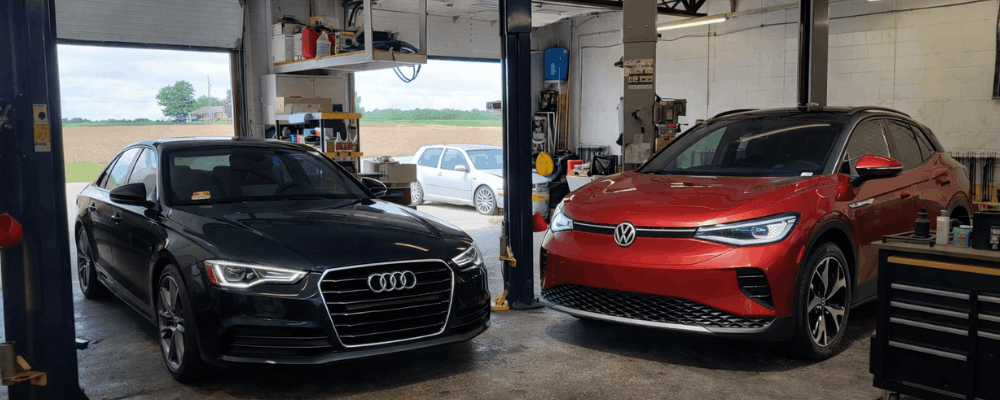
Most Audi and VW problems do not show up without warning. They build slowly from missed intervals, wrong fluids, and overlooked components until one day they aren’t small anymore. Alex’s Autoworks in Hanover, PA, specializes in exactly these vehicles, and in this guide, we break down the most preventable issues affecting Audi and VW drivers, from timing belt failure and cooling system wear to why your oil spec matters more than you think.
What Makes Audi and VW Different From Other Cars
These aren’t your average commuter vehicles. Audi and Volkswagen share a platform and engineering philosophy built around tight tolerances, turbocharged engines, and sophisticated electronics. That’s what makes them fun to drive. It’s also what makes them unforgiving when maintenance gets skipped.
A few things that separate these vehicles from the pack:
- Turbocharged engines: Nearly every modern Audi and VW runs a turbo. Turbos run hot, spin fast, and rely heavily on clean, high-quality oil to stay healthy.
- Complex electronics: From adaptive suspension to driver assistance systems, these cars are loaded with sensors that constantly communicate.
- Timing system sensitivity: Many Audi models use a rubber timing belt with a hard expiration date. Miss it, and you’re looking at potential engine damage.
- Brand-specific fluids: VW and Audi require oils and coolants that meet strict manufacturer approval ratings, not just any synthetic off the shelf.
Understanding these differences is the first step toward keeping your vehicle out of the shop for the wrong reasons.
Late Winter Is When European Vehicles Show Their Weak Spots
Here in Hanover, PA, the stretch between January and March puts real stress on vehicles. Freeze-thaw cycles, road salt, and cold starts all take a toll. For Audi and VW owners, late winter is the season when deferred maintenance tends to show up uninvited.
Cooling System Components Are the First to Go
Audi and VW cooling systems use a lot of plastic. Thermostat housings, coolant flanges, water pump covers, and reservoir caps are all plastic components that become brittle over time. Cold nights followed by warm afternoons accelerate that process significantly.
Watch for these warning signs:
- A sweet smell near the engine bay
- Coolant residue or white staining near hose connections
- A temperature gauge that climbs higher than usual
- Inconsistent heat output from your cabin vents
If you’re noticing any of these warning signs, don’t wait. Schedule an inspection at Alex’s Autoworks before a small leak becomes a much bigger repair.
Cold Starts and Oil Pressure
Turbocharged engines are especially vulnerable during cold starts. Oil thickens in freezing temperatures, and if your oil is past its service interval or not the correct viscosity for your engine, those first few seconds after startup put extra wear on your turbo bearings. This is one of the most common causes of premature turbocharger failure in Audi and VW vehicles.
The Timing Belt Situation: What Audi Owners Need to Know
This one deserves its own conversation. Many Audi engines, particularly four-cylinder and older V6 models, use a rubber timing belt rather than a chain. That belt keeps your engine’s valves and pistons moving in perfect sync. When it fails, the engine doesn’t just stall. In most cases, valves bend, and the repair bill becomes a very different conversation.
When Should You Replace It?
Most Audi timing belt intervals fall between 60,000 and 105,000 miles, depending on the engine. The challenge is that the belt often looks fine right up until it snaps. There’s no warning light. No gradual decline. It either holds or it doesn’t.
What Gets Done During a Timing Belt Service
Since accessing the timing belt requires significant disassembly, most specialists recommend handling several components at the same time:
- Timing belt replacement
- Water pump inspection or replacement
- Tensioner and idler pulley replacement
- Coolant flush if the water pump is being serviced
Bundling these together saves labor time and prevents the frustration of pulling everything apart again two months later for a water pump that was right there.
VW Oil Changes: Why the Wrong Oil Is Worse Than a Late Oil Change
Volkswagen engines are particular about oil. It’s not just about being synthetic versus conventional. VW uses its own internal approval system, and oils that meet those specs are formulated specifically for the low-friction, high-heat demands of VW turbocharged engines.
Common VW oil approval ratings include:
- VW 502.00: Standard gasoline engines
- VW 504.00: Extended interval gasoline engines
- VW 507.00: Diesel engines and some gasoline applications
Using an oil that doesn’t meet these specs, even a well-known synthetic brand, can lead to sludge buildup, increased turbo wear, and shortened engine life. The interval matters, but the spec matters just as much.
Five Audi and VW Issues That Are Almost Always Preventable
This is where regular maintenance pays for itself. The repairs that tend to surprise Audi and VW owners the most are almost always rooted in something that could have been caught early.
- Turbocharger failure: Usually traced back to infrequent oil changes or incorrect oil spec
- Coolant system leaks: Plastic components that crack after years of heat cycling
- Timing belt failure: Missed replacement intervals on engines that require a belt, not a chain
- Carbon buildup on intake valves: Common in direct-injection VW and Audi engines that go too long between services
- DSG transmission issues: Skipped fluid services that lead to rough shifting or hesitation
None of these is inevitable. They’re manageable with consistent, knowledgeable maintenance.
Why Hanover, PA Drivers Choose a Specialist Over the Dealership
Alex’s Autoworks on Centennial Rd in Hanover, PA was built as the local alternative for European vehicle owners who want dealer-level care without the dealer-level inconvenience. Owner Alex Long trained through GM’s trade school, worked across multiple shop environments, and built this business around thoroughness and transparency. The shop’s approach is straightforward: catch what other shops miss and take care of the customer the way you’d want to be taken care of yourself.
What Sets Alex's Autoworks Apart for Audi and VW Owners in Hanover, PA
- Our owner holds ASE certifications, and our team gets ongoing training
- Autel and Snap-On professional scan tools for accurate European diagnostics
- OE-spec synthetic oils matched to VW and Audi manufacturer requirements
- Digital Vehicle Inspections with photos sent directly to you
- 2-year/24K-mile warranty on qualifying repairs
- Flexible shuttle service within the area
Every vehicle that comes through the shop gets a thorough multi-point inspection. Every finding is documented with photos and sent straight to you, so nothing ever gets overlooked.
Ready to get ahead of your next repair? Visit Alex’s Autoworks at 3380 Centennial Rd, Hanover, PA, 17331, or call (717) 698-1535 to schedule your Audi or VW service today.
FAQs About Audi and VW Repair in Hanover, PA
Does Alex's Autoworks specialize in Audi and VW repair?
Yes, Alex’s Autoworks specializes in European auto repair, including Audi and Volkswagen vehicles. The shop uses professional-grade diagnostic tools and OE-spec parts to deliver dealer-level service in Hanover, PA.
Is a specialist necessary for Volkswagen maintenance?
A specialist is strongly recommended for Volkswagen maintenance due to the brand’s specific oil standards, timing system requirements, and electronic complexity. Using a non-specialist can lead to incorrect fluids, missed intervals, or misdiagnosis that costs more in the long run.
How often should I replace the timing belt on my Audi?
Most Audi models with a timing belt recommend replacement between 60,000 and 105,000 miles, depending on the engine. Always confirm the correct interval for your specific model with a European auto specialist.
What oil does a Volkswagen engine need?
Volkswagen engines require full synthetic oil meeting VW-specific approval ratings such as VW 502.00, 504.00, or 507.00, depending on the engine type. Using the wrong oil can cause sludge buildup and accelerated wear, particularly in turbocharged models.
Can cooling system problems on an Audi or VW be prevented?
Many cooling system failures are preventable with regular inspections, especially heading into and out of winter. Early detection of brittle plastic components, coolant leaks, or a weakening water pump can prevent a minor issue from becoming a major repair.
Schedule Your Audi or VW Repair in Hanover, PA at Alex's Autoworks
Your Audi or Volkswagen is built to last. With the right maintenance and a specialist who actually knows these vehicles, it will. Alex’s Autoworks is Hanover, PA’s trusted European auto repair shop, located at 3380 Centennial Rd, Hanover, PA, 17331. Call (717) 698-1535 or schedule online to book your appointment. Whether you’re due for a VW oil change, a timing belt replacement, or a full inspection before spring, the team is ready to keep your European vehicle running the way it was designed to.