
How Often Should You Rotate and Balance Your Tires in Hanover?
When should you rotate your tires? Every 5,000 to 7,500 miles is the sweet spot for most vehicles. At Alex’s Autoworks in Hanover, PA, we’ve seen drivers extend their tire life by thousands of miles simply by sticking to this schedule. Regular tire rotation and balancing protect against uneven wear, poor handling, and unexpected replacement costs.
In this guide, we’ll cover why rotation matters, how drivetrains affect wear patterns, warning signs to watch for, and how balancing eliminates vibrations. Whether you drive a front-wheel-drive sedan or a Mercedes Sprinter, understanding these intervals saves you money and keeps you safer on Pennsylvania roads.
Why Your Tires Wear Unevenly
Your tires are the only contact points between your vehicle and the road, but they don’t all wear at the same rate. Front tires on a front-wheel-drive car do double duty, managing both steering and power delivery, so they wear faster than the rears. Your vehicle’s weight distribution, driving habits, and drivetrain type all contribute to uneven wear patterns.
Here’s what most people don’t realize: uneven tire wear isn’t just about replacing tires sooner. It affects your safety. Tires with inconsistent tread depths don’t grip the road equally, especially in wet conditions or during Hanover’s snowy winters. Your vehicle might pull to one side, your stopping distance increases, and you lose that confident feel behind the wheel.
The Real Cost of Skipping Tire Maintenance
A quality set of tires represents a significant investment, and performance tires for European vehicles can run even higher. Without regular rotation, you might replace your tires 30% to 50% earlier than necessary.
The hidden costs:
- Premature tire replacement: Unrotated tires can fail after 30,000 miles instead of lasting 50,000 miles or more
- Suspension damage: Unbalanced tires create vibrations that wear out wheel bearings and shocks faster
- Alignment issues: Uneven wear throws off your alignment, creating a cycle of accelerated wear
- Fuel economy loss: Improperly maintained tires increase rolling resistance
Regular rotation can extend tire life by 20,000+ miles compared to skipping maintenance entirely.
Rotation vs. Balancing: What's the Difference?
Tire Rotation
Rotation means moving your tires from one position to another on your vehicle. The goal is to even out wear patterns caused by your vehicle’s weight distribution and drivetrain type.
Tire Balancing
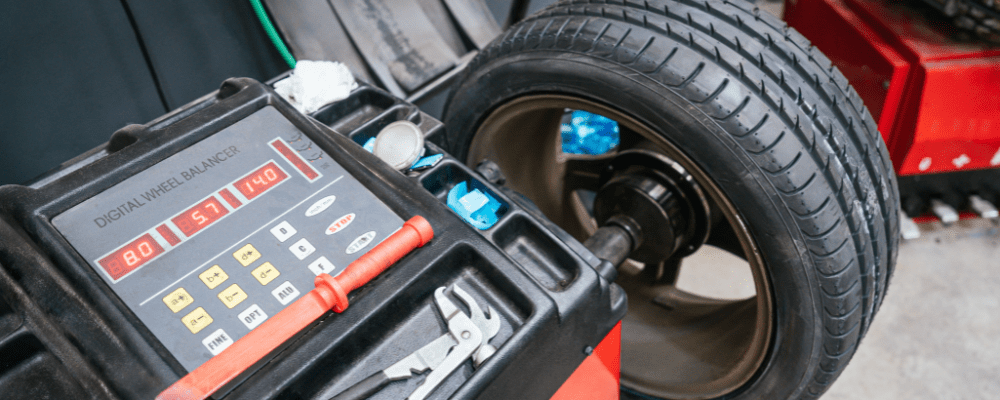
Balancing corrects the weight distribution within each individual tire and wheel assembly. Even a tiny imbalance of a quarter-ounce can cause noticeable vibrations at highway speeds. We add small weights to your wheels to ensure perfectly smooth rotation.
Here’s how they work together: rotation keeps all your tires wearing at the same rate. Balancing keeps your ride smooth by eliminating wheel wobble.
Recommended Rotation Intervals by Vehicle Type
The standard recommendation is every 5,000 to 7,500 miles, but your specific needs vary:
By Drivetrain:
- Front-wheel drive: Every 5,000-6,000 miles (front tires wear twice as fast)
- All-wheel drive: Every 5,000 miles (critical for drivetrain health)
- Rear-wheel drive: Every 6,000-7,500 miles
By Driving Conditions:
- Stop-and-go city traffic: Every 5,000 miles
- Frequent highway driving: Every 7,500 miles
- Rough roads or heavy loads: Every 5,000 miles or less
Simple rule: Pair tire rotation with every other oil change. Using synthetic oil and going 10,000 miles between changes? Rotate at the 5,000-mile mark regardless.
Understanding Rotation Patterns for Different Vehicles
Different drivetrains require different rotation patterns. Using the wrong pattern can actually accelerate wear or damage certain tire types.
| Drivetrain Type | Recommended Pattern | Why It Matters |
|---|---|---|
| Front-Wheel Drive | Forward Cross or X-Pattern | Front tires wear 2× faster due to steering and power delivery |
| Rear-Wheel Drive | Rearward Cross | Rear tires handle acceleration wear; fronts handle steering only |
| All-Wheel Drive | X-Pattern or Rearward Cross | Maintains consistent diameter; critical for drivetrain protection |
| Directional Tires | Side-to-Side Only | Tires must maintain rotation direction |
Special Note for European Vehicle Owners: If you drive a BMW, Mercedes, Audi, or other performance vehicle with staggered fitments (different tire sizes front and rear), rotation options are limited. This makes balancing and proper inflation even more critical.
Warning Signs You Need Service Now
Your vehicle communicates when something’s wrong. Watch for these signs:
- Steering wheel vibration: Especially between 50-70 mph indicates unbalanced tires
- Visible uneven wear: Feel ridges, cups, or scalloped patterns across the tread
- Vehicle pulling: Often caused by uneven tire wear or alignment issues
- Increased road noise: Humming that changes with speed suggests irregular wear
- Mileage milestone: More than 7,500 miles since your last rotation
Why All-Wheel Drive Requires Special Attention
AWD owners, this is critical. Your system constantly monitors the rotation speed of all four wheels. If one tire has significantly different diameter due to uneven wear, your AWD system compensates by sending more power to other wheels.
The problem? This puts massive strain on your transfer case and differentials, potentially causing thousands of dollars in damage.
The solution: Keep all four tires within 2/32″ of tread depth by rotating every 5,000 miles. If one tire gets damaged and needs replacement, you might need to replace all four to maintain proper diameter matching.
What Happens During Professional Balancingost You
When we balance your tires, we’re correcting imperfections you can’t see or feel:
The process:
- Mount your wheel on a precision balancing machine
- Sensors detect weight variations measured in fractions of an ounce
- Machine indicates exactly where to place counterweights
- Attach small weights to wheel rim in specific locations
- Verify perfect balance with final spin
The entire process takes just minutes per tire, but eliminates vibrations, prevents premature wear, and restores that smooth ride you remember when tires were new.
Easy Tire Care Tips Between Rotations in Hanover
Monthly checks:
- Tire pressure when tires are cold, including your spare
- Visual inspection for cuts, bulges, or objects in tread
- Tread depth using the penny test (if you see all of Lincoln’s head, replace tires)
Driving habits that extend tire life:
- Avoid sudden acceleration and hard braking
- Take corners at reasonable speeds
- Remove unnecessary weight from your vehicle
Pennsylvania seasonal tips:
- Check pressure more frequently in winter
- Inspect for damage after pothole season
- Consider winter tires for better snow traction
Ready to protect your tire investment? Call us at (717) 698-1535 or visit us at 3380 Centennial Rd, Hanover, PA 17331 to book your appointment today.
Professional Tire Services at Alex's Autoworks
When you bring your vehicle to our shop, you’re choosing a team that catches what others miss. We’re thorough because that’s how we’d want our own vehicles treated.
What sets us apart:
- ASE-certified technicians with PA State Inspection and Emission Certificates
- Hunter Alignment Machine for precision balancing
- Digital vehicle inspection photos so you see what we see
- 2-year/24,000-mile warranty on parts and labor
- Expertise with all makes and models, specializing in European vehicles like Mercedes, BMW, Audi, Volkswagen, Jaguar, and Land Rover
- Quality tire brands including Michelin and Continental
Convenient service options:
- Online scheduling through AutoOps
- Key drop box for early drop-offs
- Comfortable waiting area
- Shuttle service within the Hanover area
- Open Monday through Friday, 8 AM to 5 PM
FAQs About Tire Rotation and Balancing in Hanover, PA
How often should tires be rotated?
Tires should be rotated every 5,000 to 7,500 miles or with every other oil change. This interval helps ensure even tread wear across all four tires, extending their lifespan and maintaining optimal traction. Some manufacturers may recommend different intervals, so always check your owner’s manual.
What happens if you don't rotate your tires?
Without regular rotation, tires wear unevenly, with some positions wearing out much faster than others. This leads to premature tire replacement, reduced traction and handling, poor fuel economy, and potential safety issues. Front tires on front-wheel-drive vehicles can wear out twice as fast as rear tires.
Is tire balancing really necessary?
Yes, tire balancing is necessary for smooth, safe driving. Unbalanced tires cause steering wheel vibrations, premature tire wear, and excessive stress on suspension components. Balancing is especially important when installing new tires, after tire repairs, or if you notice vibrations at highway speeds.
How much does tire rotation and balancing cost?
The cost of tire rotation and balancing is minimal compared to replacing worn tires prematurely. Many shops offer package deals that combine both services for added value. Regular maintenance protects your investment and helps you avoid the significantly higher expense of early tire replacement.
Can I rotate my tires myself?
While possible if you have proper equipment, professional rotation ensures the correct pattern is used for your vehicle. Technicians also inspect tires for damage, check tread depth, verify proper inflation, and identify alignment or suspension issues you might miss.
Schedule Your Tire Rotation and Balancing in Hanover Today
Don’t gamble with your safety or waste money on premature tire replacement. Regular tire rotation and balancing protect your investment, improve your vehicle’s performance, and keep you safer on the road.
Visit us at Alex’s Autoworks, 3380 Centennial Rd, Hanover, PA 17331, or call (717) 698-1535 to schedule your tire service. We’ll take care of your vehicle the way we’d take care of our own, because that’s the only way we know how to do business.