
Winter Tire Repair & Replacement in Hanover, PA
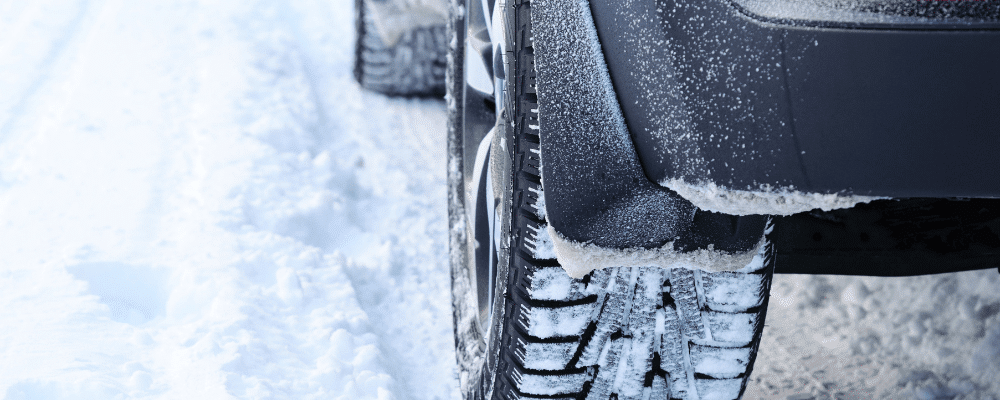
That dashboard light glowing yellow on a freezing Hanover morning? Your tires just lost pressure overnight, and it’s not a leak. Winter in Pennsylvania does more than chill the air; it quietly deflates your tires, stiffens the rubber, and turns minor tread wear into a safety risk. Most drivers don’t realize how often they should replace tires or when a simple repair could save hundreds of dollars. At Alex’s Autoworks, we’ve spent years helping local drivers understand the real science behind cold-weather tire performance.
In this guide, we’ll break down why your TPMS light keeps appearing, reveal what your tire wear patterns are trying to tell you, explain when repair beats replacement, and show you exactly how to keep your tires winter-ready without the guesswork.
The Science Behind Cold Weather and Tire Pressure
Here’s something most drivers don’t realize: your tires lose about one PSI (pound per square inch) of pressure for every 10-degree drop in temperature. So when Hanover transitions from a 70-degree fall day to a 30-degree winter morning, your tires could be down 4 PSI or more without any actual leak.
This happens because air molecules slow down and contract in cold temperatures, taking up less space inside your tire. The rubber also becomes slightly stiffer, which affects how your tires grip the road.
What Underinflated Tires Cost You:
- Fuel Economy Drop: Your engine works harder to push underinflated tires, burning more gas
- Uneven Tread Wear: The outer edges wear faster, cutting months off your tire’s lifespan
- Handling Issues: Steering feels sluggish and less responsive during quick maneuvers
- Blowout Risk: The sidewalls flex more than designed, creating dangerous heat and stress
The frustrating part? Your tires can look perfectly fine while being dangerously underinflated. That’s why monthly pressure checks during winter are essential.
How Often Should I Replace My Tires?
Most tire manufacturers stamp “replace at 2/32 inch tread depth” on their products, but that’s the legal minimum, not the safe minimum.
Tread Depth Reality Check:
- 2/32 inch: Legal minimum (terrible in rain or snow)
- 4/32 inch: Consider replacement for winter driving
- 6/32 inch: Acceptable for most conditions
- New tire: Typically 10/32 to 12/32 inch
Age Matters More Than You Think: Even if your tread looks good, tire rubber degrades over time. Most experts recommend replacement after six years, and nearly all tires should be replaced by 10 years regardless of appearance. Check the DOT code on your tire sidewall: the last four digits tell you the week and year of manufacture.
Pennsylvania’s freeze-thaw cycles create potholes that appear overnight. Hit one hard enough, and you can damage the internal structure of your tire without seeing any external damage.
The Penny Test (And Why It's Not Enough)
Insert a penny into your tread with Lincoln’s head upside down. If you see the top of his head, you’re at or below 2/32 inch. But by the time the penny test fails, you’ve been driving on dangerously worn tires for weeks.
A better approach? Use a quarter instead. If you can see the top of Washington’s head, you’re at 4/32 inch and should start planning for replacement, especially before winter.
Five Tire Problems Winter Makes Worse
1. Slow Leaks You Didn't Know Existed
That small nail you picked up? Winter temperatures make it leak faster. Cold air is denser, so it escapes through tiny punctures more readily.
2. Sidewall Damage From Curbs and Potholes
Stiff, cold rubber doesn’t absorb impacts as well as warm rubber. What would have been a minor scrape in summer can become a bubble or crack in winter.
3. TPMS Sensors That Seem to Malfunction
Your Tire Pressure Monitoring System isn’t broken, it’s just doing its job. When pressure drops below the threshold, the light comes on. This happens constantly during cold snaps.
4. Vibrations That Appear Out of Nowhere
Tires can develop flat spots if your vehicle sits for several days in freezing temperatures. The rubber temporarily deforms where it contacts the ground, causing vibration until the tires warm up.
5. Rapid Pressure Loss After Temperature Changes
Park your car in a heated garage and drive to work in 20-degree weather? Your tires lose pressure the moment they hit cold air. This isn’t a leak, it’s thermodynamics.
When Tire Repair Works and When You Need Replacement
If you’re adding air more than once a month, you likely have a puncture, leaking valve stem, damaged bead seal, or even a cracked wheel. Professional tire repair in Hanover, PA, addresses the actual problem instead of repeatedly treating the symptom. Most punctures in the tread area can be permanently repaired for a fraction of replacement cost, but only if caught early.
You Need Replacement When:
- Sidewall has cuts, bulges, or punctures
- Tread depth is below 4/32 inch for winter driving
- Multiple repairs exist in the same tire
- The tire shows uneven wear patterns, indicating alignment issues
What Your Tire Wear Pattern Reveals:
- Center Wear: Overinflation or aggressive driving habits
- Edge Wear: Underinflation (check pressure immediately)
- One-Side Wear: Alignment problem (damages tires fast)
- Cupping or Scalloping: Worn suspension components or balance issues
Catching these patterns early saves hundreds of dollars in premature tire replacement. A simple wheel alignment can extend tire life by 10,000 miles or more.
Ready to prepare your tires for winter? Call us at (717) 698-1535 or visit us at 3380 Centennial Rd, Hanover, PA 17331.
Winter Tires vs. All-Season: What Hanover Drivers Need
Hanover doesn’t get buried in snow like Erie or the Poconos, but we do face conditions where winter tires make a measurable difference.
| Category | Winter Tires ❄️ | All-Season Tires 🌤️ |
|---|---|---|
| Temperature Performance | Excellent below 45°F | Best above 45°F |
| Snow Traction | Excellent | Adequate |
| Ice Traction | Superior | Limited |
| Dry Cold Roads | Excellent grip | Reduced grip when cold |
| Choose If You… |
|
|
| Hanover Recommendation | Ideal for safety-conscious drivers | Suitable for most local drivers |
Here’s what surprises most people: winter tires aren’t just about snow. They’re engineered to stay flexible and grippy in any temperature below 45 degrees. That means better performance during dry, cold mornings when all-season tires feel stiff and less responsive.
Why Alex's Autoworks for Your Winter Tire Needs
Since 2018, we’ve been helping Hanover drivers navigate Pennsylvania winters with properly maintained tires and honest service. Owner Alexander Long built this shop on a simple principle: catch the things that should be obvious to other people and treat customers the way we’d want to be treated.
Our Tire Services Include:
- Professional Inspections: We measure tread depth, check for damage, and assess wear patterns
- Expert Repairs: Punctures in the tread area get permanent, industry-standard repairs
- Quality Tire Sales: Access to Michelin, Continental, and other trusted brands
- Precision Alignment: Our Hunter Alignment Machine ensures your new tires wear evenly
We specialize in European vehicles but service all makes and models. Our ASE-certified technicians use diagnostic equipment, including Ford IDS, GM Techline, Snap-On, and Autel scanners, so we can properly service modern TPMS systems. Our work is backed by a 2-year/24,000-mile warranty. We offer convenient amenities including a waiting area, shuttle service, and key drop for early morning drop-offs.
FAQs About Winter Tire Repair and Replacement
Why does my tire pressure drop in cold weather?
Tire pressure drops in cold weather because air molecules contract as temperatures decrease, reducing the volume of air inside your tires. For every 10-degree temperature drop, you lose approximately one PSI of pressure. Regular pressure checks during winter help maintain optimal performance and safety.
How often should I replace my tires in Pennsylvania?
Most tires should be replaced when tread depth reaches 2/32 of an inch or after six to 10 years, regardless of tread depth. Pennsylvania’s freeze-thaw cycles and rough roads can accelerate wear, so annual inspections help determine the right replacement timing for your specific driving conditions.
Is it normal for my TPMS light to come on in winter?
Yes, it’s common for your TPMS light to illuminate during cold snaps because dropping temperatures reduce tire pressure below the system’s threshold. Check and adjust tire pressure to the recommended PSI, and if the light remains on, have your system inspected for leaks or sensor issues.
What tire pressure should I maintain during winter?
You should maintain the tire pressure recommended by your vehicle manufacturer, found on the sticker inside the driver’s door jamb. Don’t use the maximum pressure listed on the tire sidewall. Check pressure when tires are cold, preferably first thing in the morning before driving.
Do I need winter tires in Hanover, PA?
Winter tires aren’t mandatory in Hanover, but they significantly improve safety and traction during cold weather, snow, and ice. All-season tires are suitable for most local drivers, but winter tires are beneficial if you commute in the early mornings, travel frequently, or want maximum cold-weather performance.
Get Expert Tire Repair in Hanover, PA at Alex's Autoworks
Don’t let winter catch you unprepared with worn or underinflated tires. Whether you need tire repair in Hanover, PA, a complete set of new tires, or a professional inspection to assess your tire health, Alex’s Autoworks is here to help.
Visit us at 3380 Centennial Rd, Hanover, PA 17331, or call (717) 698-1535 to schedule your appointment. We serve drivers throughout Hanover and the surrounding areas with the honesty, expertise, and quality workmanship you deserve.